Key takeaways
- Tub-showers save space and suit family baths.
- Walk-in showers feel open and are easy to enter.
- Curbless showers are the safest and most seamless.
- Steam showers need a sealed room and extra planning.
Tub-shower combinations
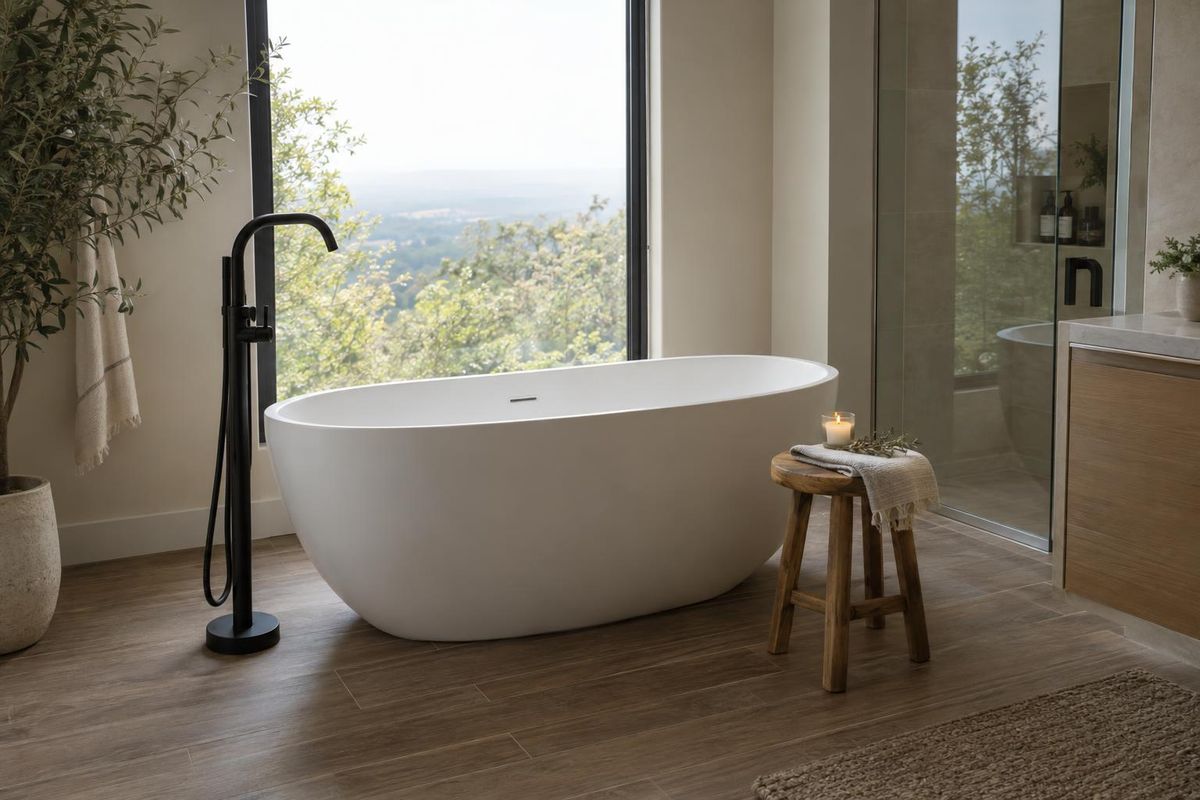
A tub-shower is the most space-efficient layout and works well in a hall bath. A tiled surround with a clear glass panel looks modern and cleans easily. Keep a tub-shower if the house has no other tub.
Look for a surround that is waterproofed, not just tiled.
Walk-in showers
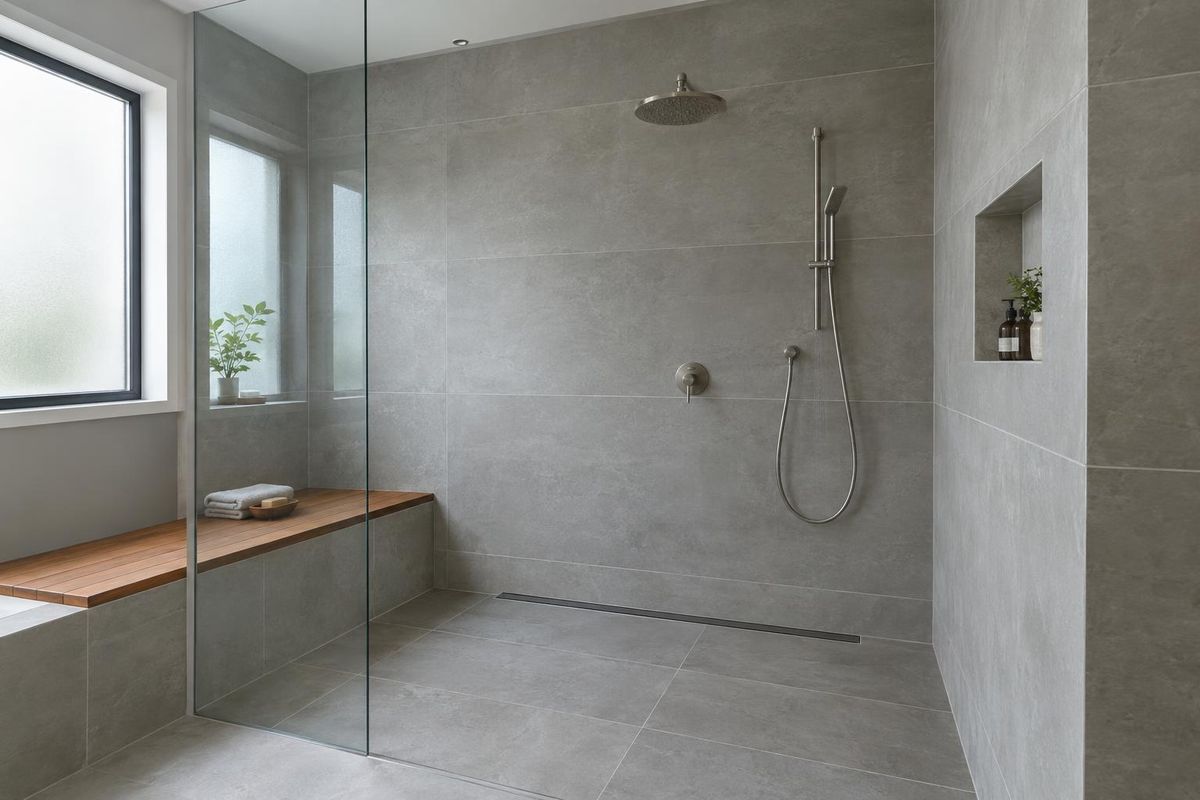
A walk-in shower has a low curb and a fixed glass panel, or no door at all. It feels open, is easier to enter and clean and works well in primary baths. A size of at least thirty-six by sixty inches is comfortable.
Spray direction and the position of the fixed panel keep water inside.
Curbless and roll-in showers
A curbless shower has no step at all, because the floor is sloped to a drain. It is the best choice for accessibility and looks seamless. It needs planning at the framing stage.
Linear drains and large tile suit this layout well.
Steam showers
A steam shower is a sealed enclosure with a generator, vapor barrier and sloped ceiling. It can be added to a walk-in shower with the right door and materials.
Plan the generator location and ventilation early.
Quick answers
Which shower is best for resale?
A walk-in shower in the primary bath and a tub-shower in a hall bath are the most appealing combinations for many buyers.
Do I need a door on a walk-in shower?
Not always. A larger shower with a fixed panel and a well-placed head can stay doorless.